Step 01 — Capture t = 0s
Capture.
Receptors on the graphene surface grab the target out of the sample — bacteria, viruses, spores, or smaller molecules.
We build a portable sensor for food producers. Test for Listeria right where the food is made, and get clear results in minutes instead of waiting days for the lab.




From sample to results in under fifteen minutes. Your operator does it. No lab, no shipping.
Two bugs drive almost half of microbial food recalls. Both are still caught days late by the standard lab workflow.
One recall is enough. Most shoppers walk and don't come back. The cost of catching it late is the customer.
Today, microbial testing means shipping samples to a lab and waiting two to four days. By the time the results come back, the product has usually already shipped. We bring the test to the line, so you catch contamination before it leaves the building.
Today's sensor is tuned for Listeria monocytogenes, built for the line, not the lab.
Drains, slicers, belts, surfaces. Drop the swab onto a new sensor.
Connect the sensor to the read-out system, press start. Keep the line running.
Pass or fail in under fifteen minutes — before the batch ships.
Want the science underneath? Read on.
A graphene field-effect transistor (gFET) is a charge sensor. We add receptors that grab the target; when something binds, the signal changes. No amplification, no thermal cycling, no reagents. We target Listeria monocytogenes today, but the same chip can be tuned for other bacteria, viruses, and analytes.
Receptors on the graphene surface grab the target out of the sample — bacteria, viruses, spores, or smaller molecules.
When something binds, the electric field across the channel shifts. The chip reads it straight away as a change in current.
The device turns that signal into a clear pass or fail, in under fifteen minutes from sample.
Graphene is one atom layer thick. Every electron sits at the surface, which makes the channel sensitive to whatever lands on it. There's no bulk to drown out the signal, so even a single binding event shows up as a measurable change in conductance.
The receptors are what make the chip pick out one thing and ignore the rest. We bond receptors to the graphene with a linker chemistry that holds up in real food matrices. Want to detect something else? Swap the receptor.
We've developed a low-cost way to make lab-grade gFETs at volume, cheap enough to ship as a single-use sensor. That's what lets the device sit next to the production line instead of inside a research lab.
The same platform can answer different questions. Bacteria now, viruses next, mycotoxins after that. Re-functionalize the surface, re-validate, deploy.
"Thirty years of graphene research at Chalmers, in a device that fits in your hand."
Funded by deep-tech funds, family offices, and a cohort of qualified business angels across Europe.
Chalmers Ventures The innovation and investment arm of Chalmers University of Technology, where our graphene research originated.
Scientifica VC Italy-based venture fund backing science-led startups across advanced materials, deep biology and graphene technology.
EIT Food Europe's largest food innovation community, supported by the European Institute of Innovation and Technology.
Yeos Ventures An investment collective of 120+ Swedish entrepreneurs from Young Entrepreneurs of Sweden (YEoS), backing early-stage companies with capital and their networks.
X&Y Invest Gothenburg based family office investing in exceptional founders building the future.
 Business Angels
 A cohort of qualified business angels across Europe backing early-stage deep-tech.
Accelerators, food-science programmes and editorial lists that follow and acknowledge LayerLogic.
MassChallenge Selected into the MassChallenge cohort — a global accelerator that has helped over 3,000 startups raise more than $9B.
 Forbes 30 Under 30
 Featured in Forbes' annual list of young innovators reshaping their industries — Europe edition, Manufacturing & Industry category.
 EIT Food
 Selected into the EIT Food Accelerator Network (FAN) — Europe's leading accelerator for high-potential food-tech startups.
 SIO Grafen
 Recognized and funded by Sweden's national graphene programme for our work on field-effect biosensors.
 Formas
 Backed by Formas, the Swedish government research council funding sustainable development, food and agriculture.
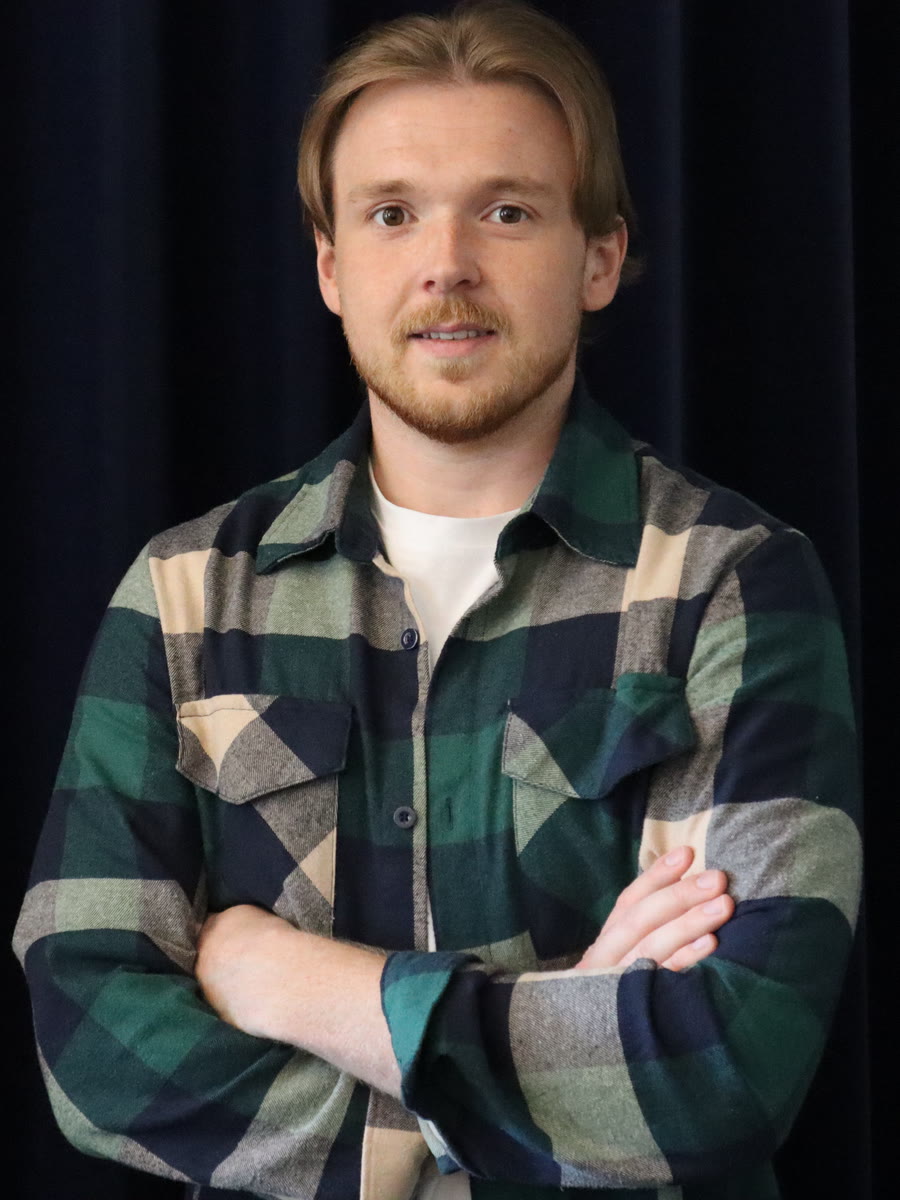
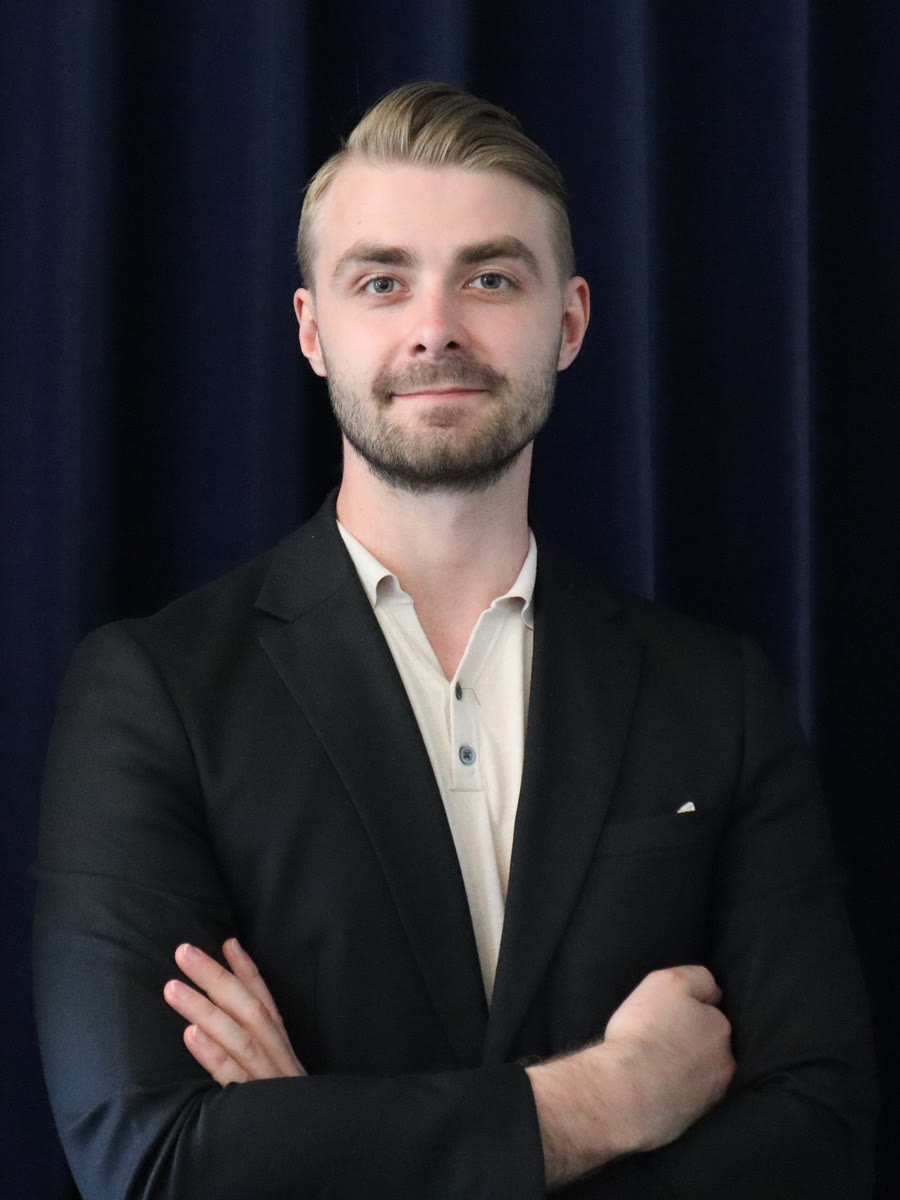
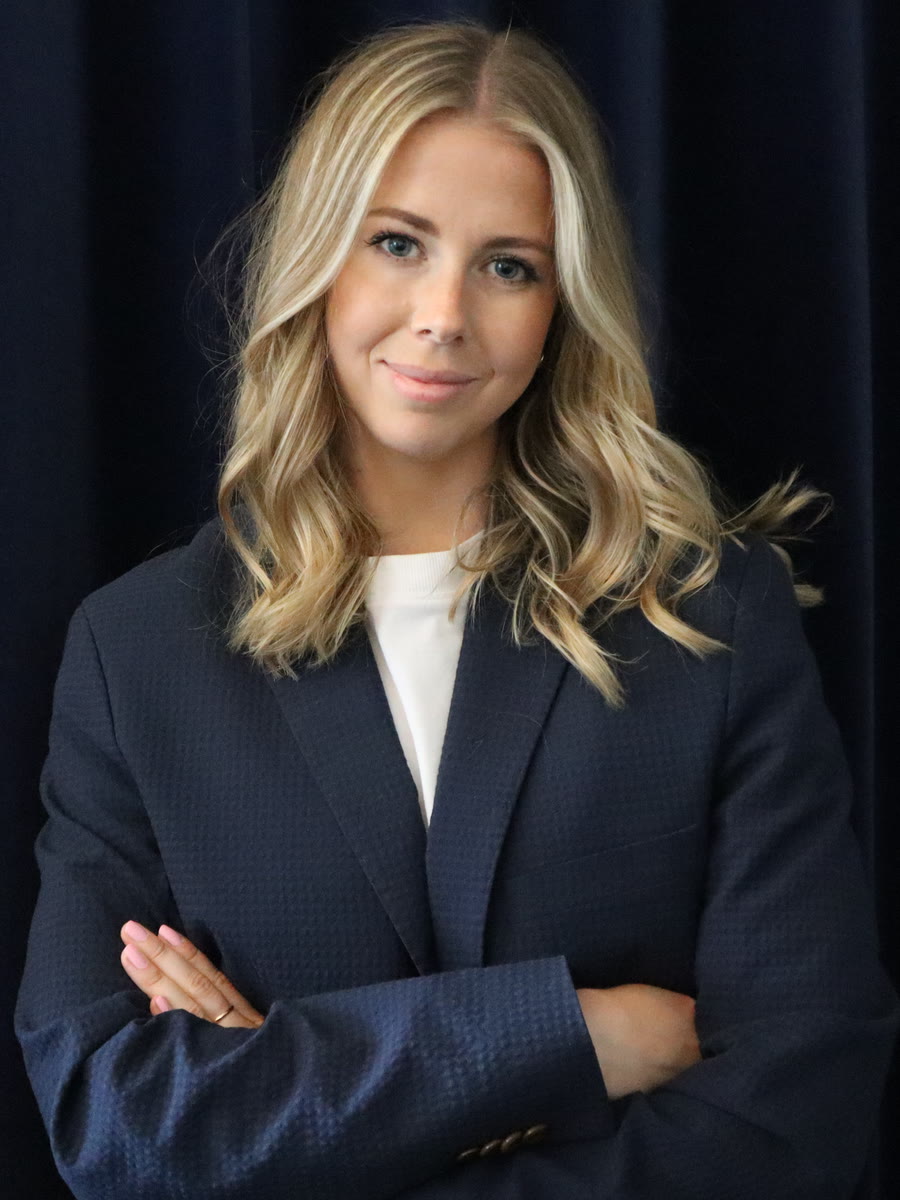
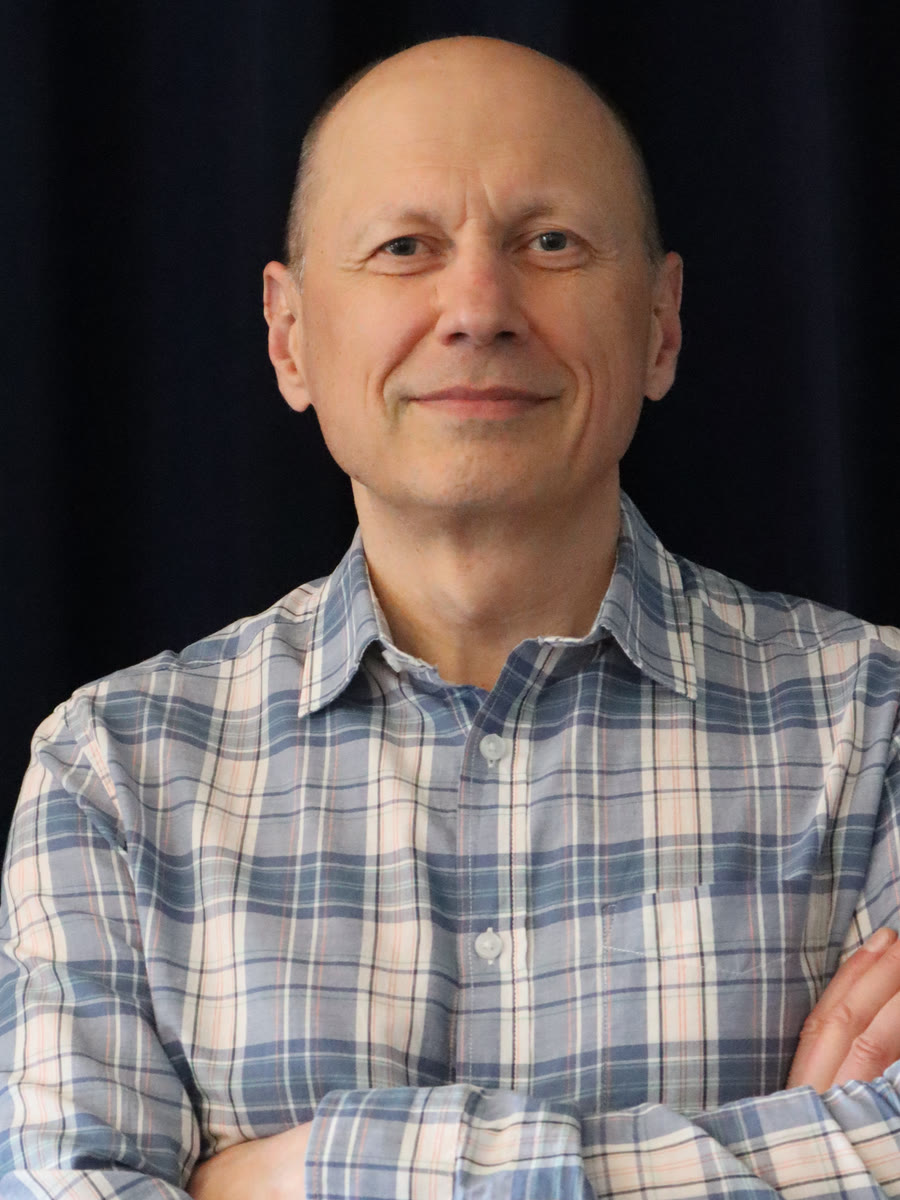
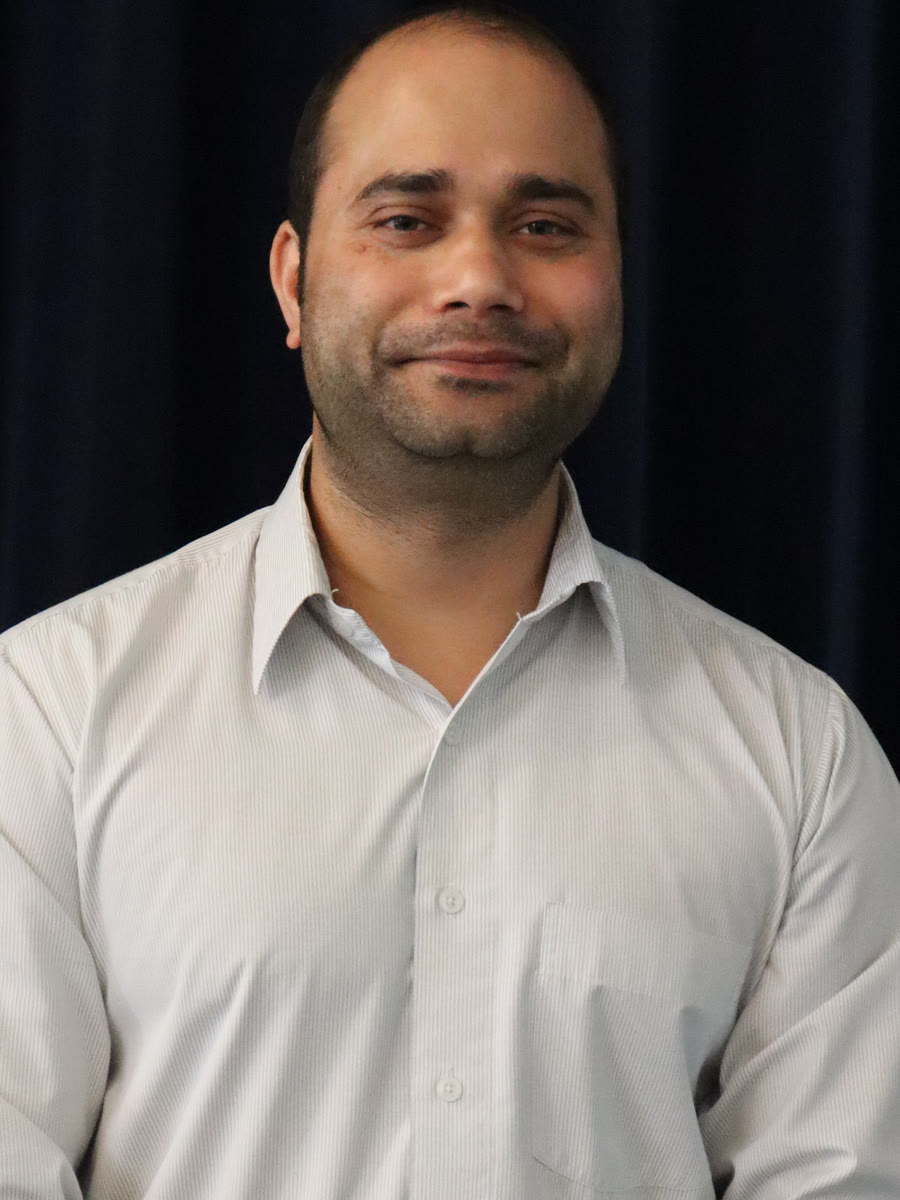
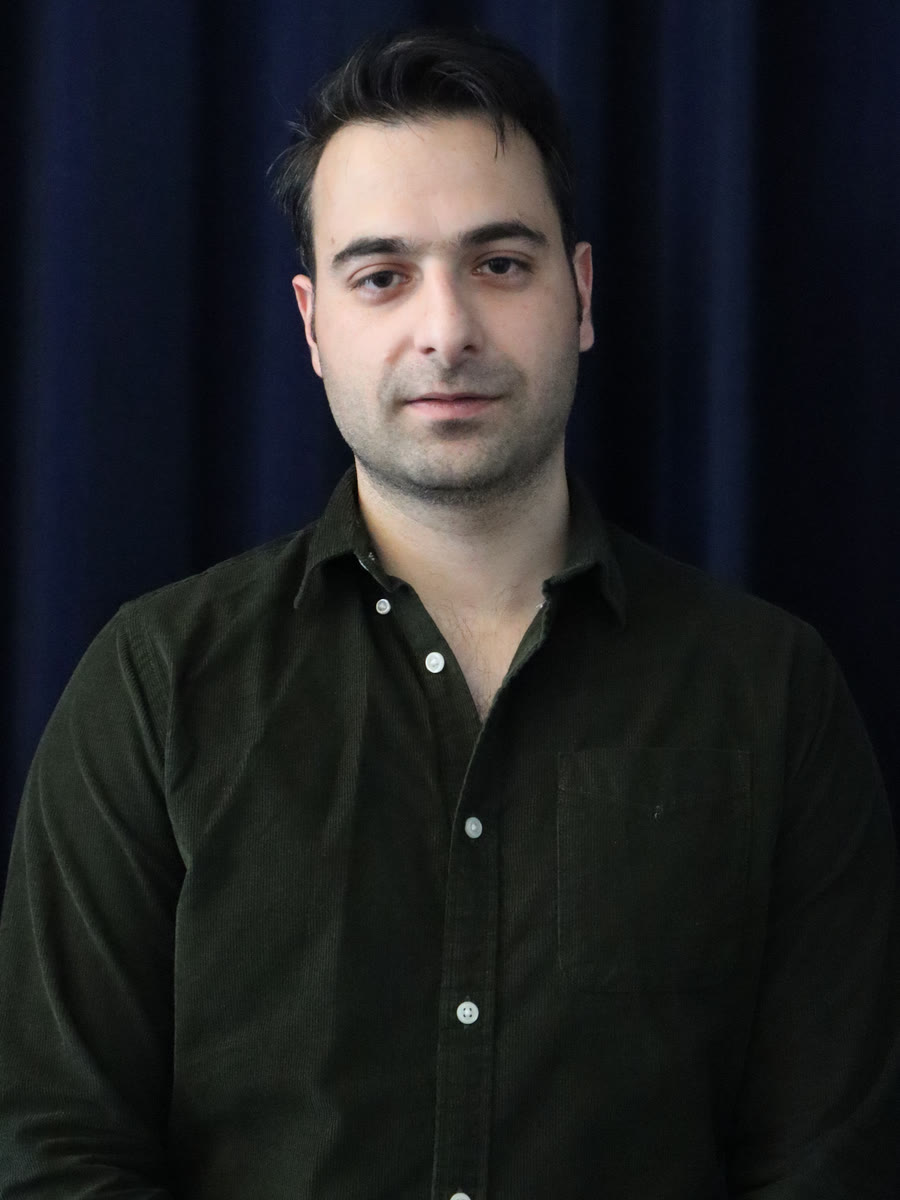
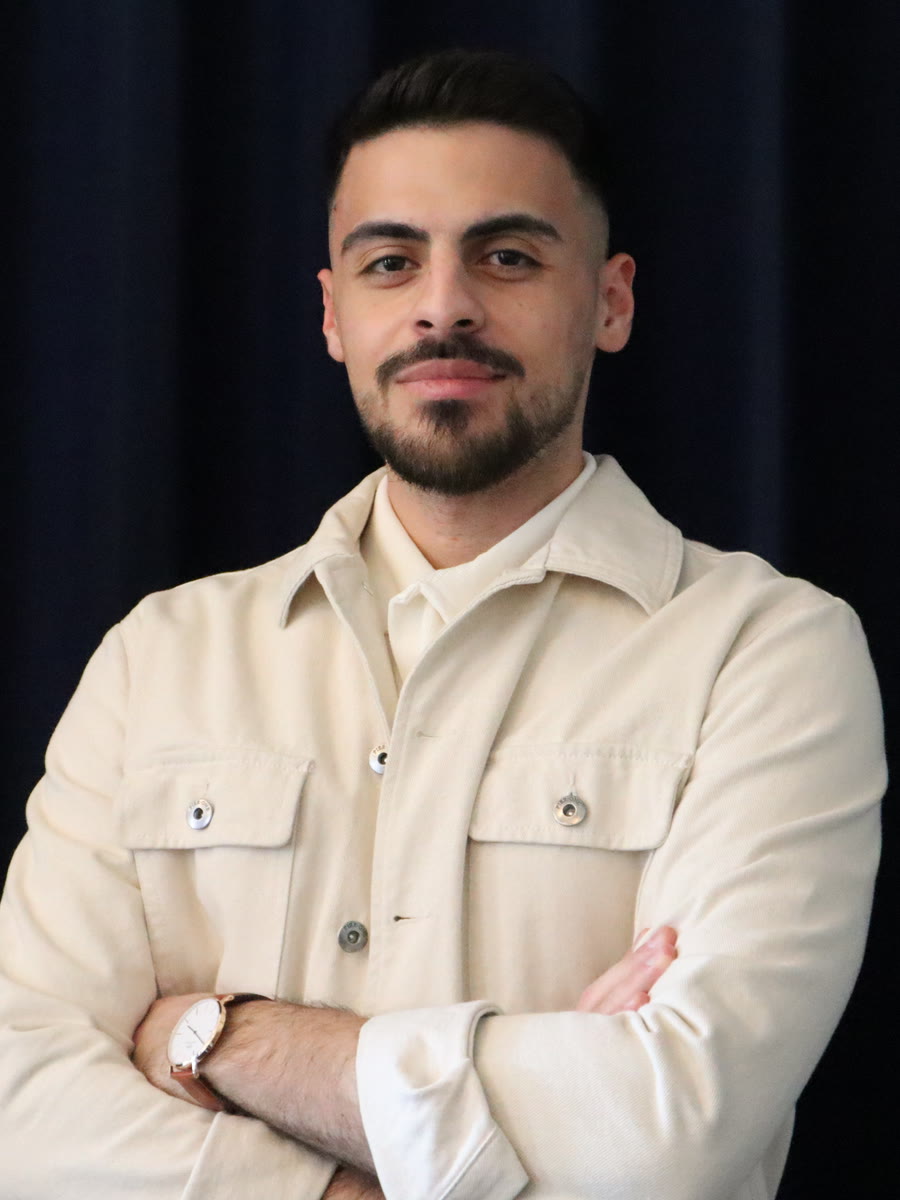
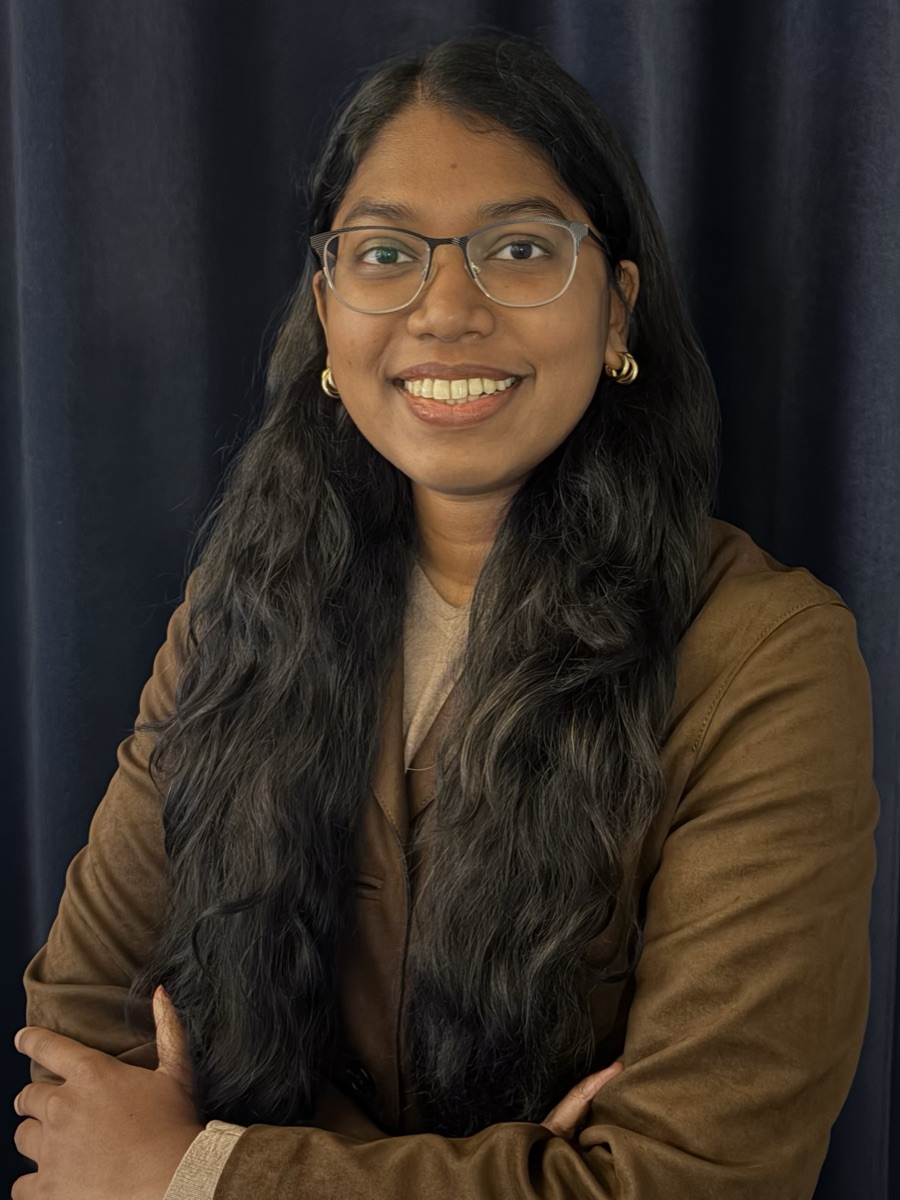
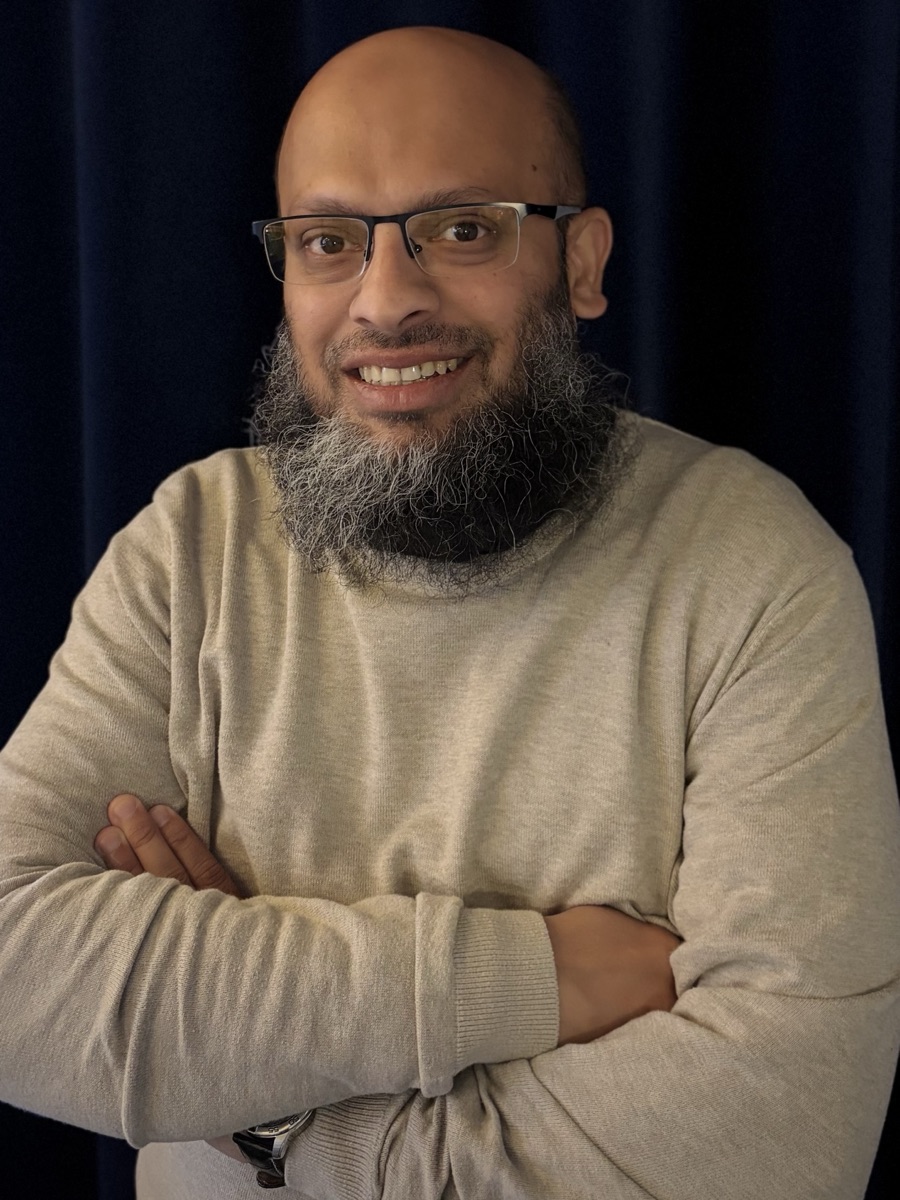
Six founders out of Chalmers, covering nano device physics, systems biology, industrial engineering and operations, plus a small engineering team building the product.
Fill out the form. We'll get back to you within the week. If your case is unusual — a different pathogen, a tricky food matrix, an unfamiliar validation regime — that's exactly the conversation we want to have.
Medicinaregatan 8A
413 90 Göteborg
Sverige